Chargement…
Chargement…
 International Forum for Investment in Mali
Chargement…
11–12 December 2026 / CICB / Bamako
Organised by the Ministry of Industry and Commerce through API-Mali, the Mali Kura Forum brings together investors, project owners, institutions and experts around more than 50 investment projects across six priority sectors. Two days of plenaries, panels and qualified business meetings.
Seven national delegations accompany this edition of the Mali Kura Forum.
Public institutions, companies and technical and financial partners support the organisation of the Mali Kura Forum. Four partnership packages are open to organisations wishing to be associated with it.
Diamond Partner
Gold Partner
Silver Partner
Tailor-made Partner
No partner is published at this stage. The official list will be supplied by API-Mali.
Planning figures taken from the forum’s terms of reference.
The programme and the matchmaking recommendations are organised around six priority sectors. Every participant declares their sectors of interest in My Forum.
The Mali Kura Forum is built as a working instrument: prepare your meetings before the event, hold them on site, and follow them through afterwards.
01
A B2B and B2G matchmaking algorithm scores the compatibility between profiles and gives every participant their ten most relevant matches, together with an explanation of what they have in common.
02
More than 50 sector files appraised by API-Mali feed the plenaries, panels and meeting recommendations. The sheets stay in the back office and, later, in the participants’ app.
03
B2G meetings open direct access to ministries and public agencies on public-private partnerships, concessions and public contracts.
04
Plenaries, panels and masterclasses over two days, filterable by theme, session type and language, each with a detail page and downloadable documents.
05
Plenary sessions are streamed live. Replay is available 24 hours after each session.
06
The official mobile app carries the digital badge, the personal agenda and the CICB floor plan. Badge and agenda remain available without a network connection.
In My Forum, every participant completes a structured profile: target sectors, investment range, geographies and financing type. Profiles are matched on those criteria, then on complementarity and availability, to prepare the meetings.
You select a profile, propose three time slots and attach a message.
Your counterpart reviews your profile and compatibility score, then selects a slot.
The system automatically books a B2B room at the CICB and blocks the slot in both agendas.
A reminder 24 hours before, then 15 minutes before, by notification and SMS.
The Mali Kura Forum is part of the cycle of convenings run by API-Mali with investors, the diaspora and Mali’s private sector.
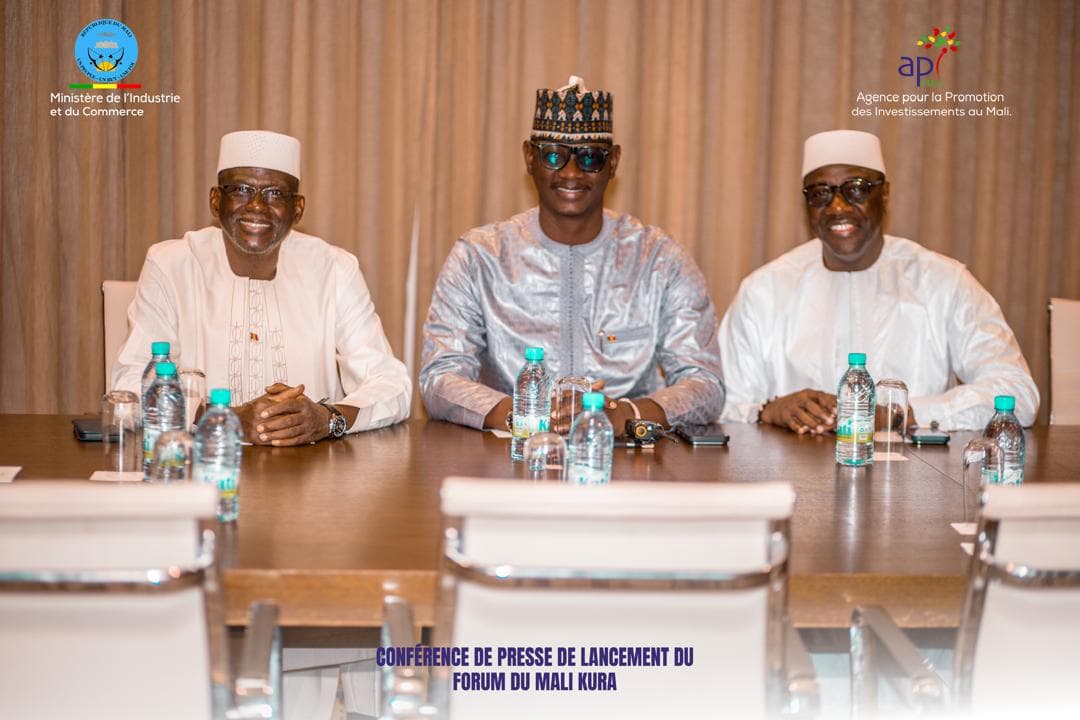
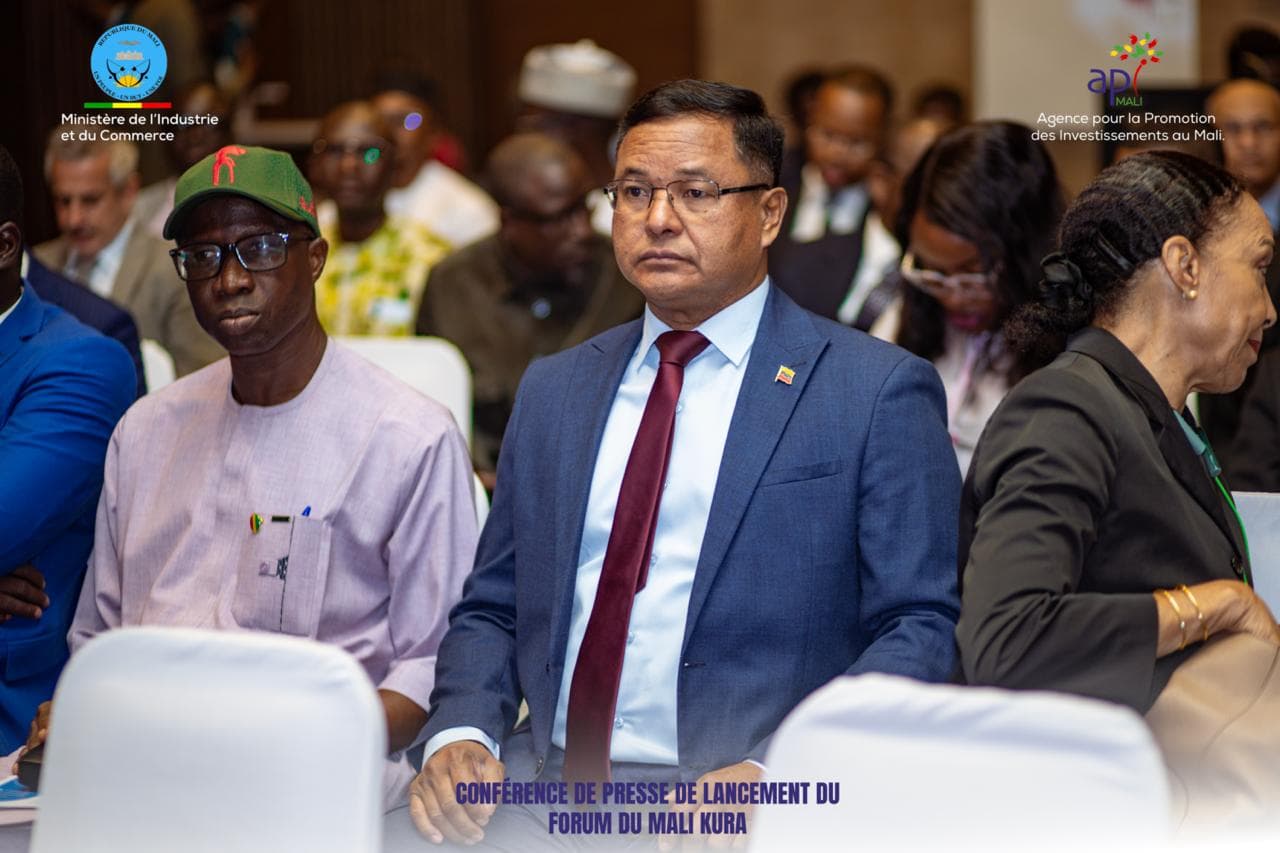
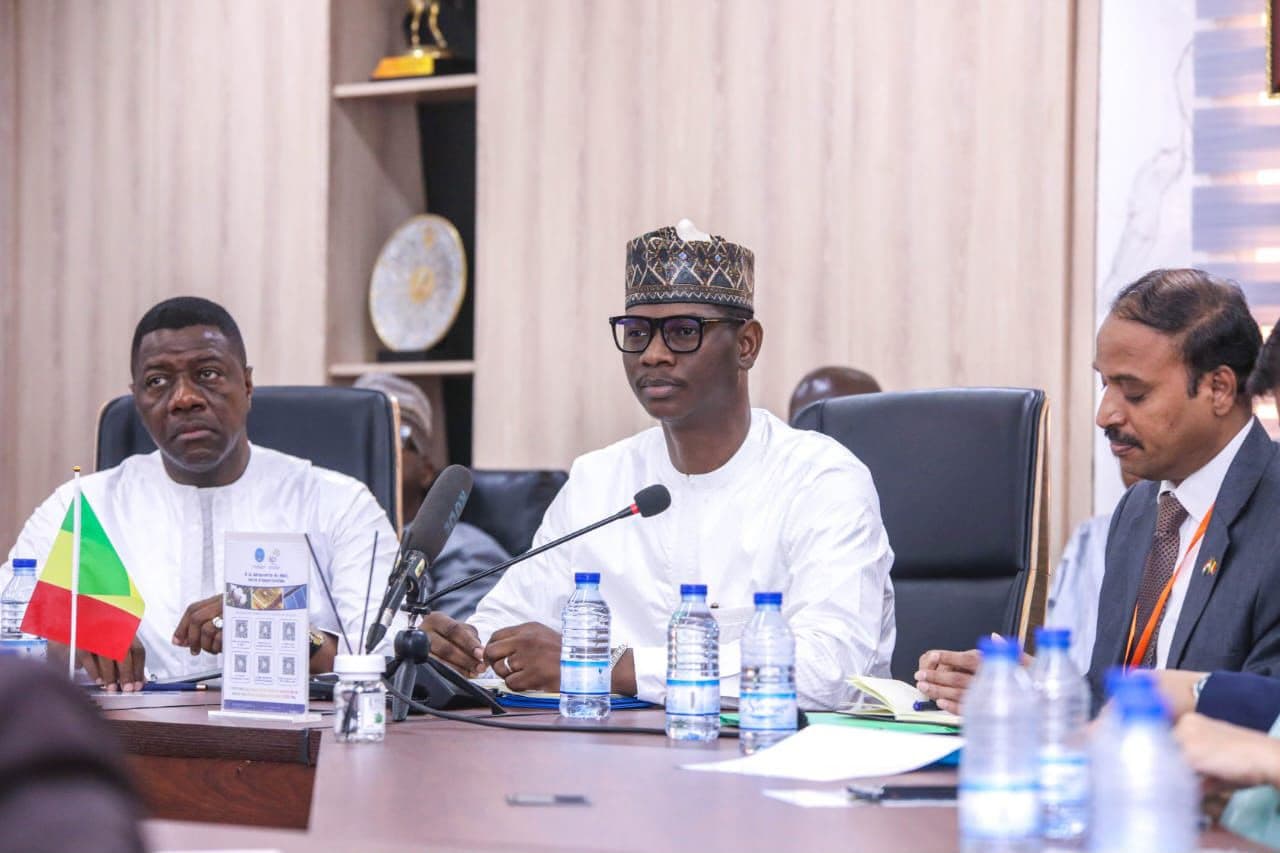
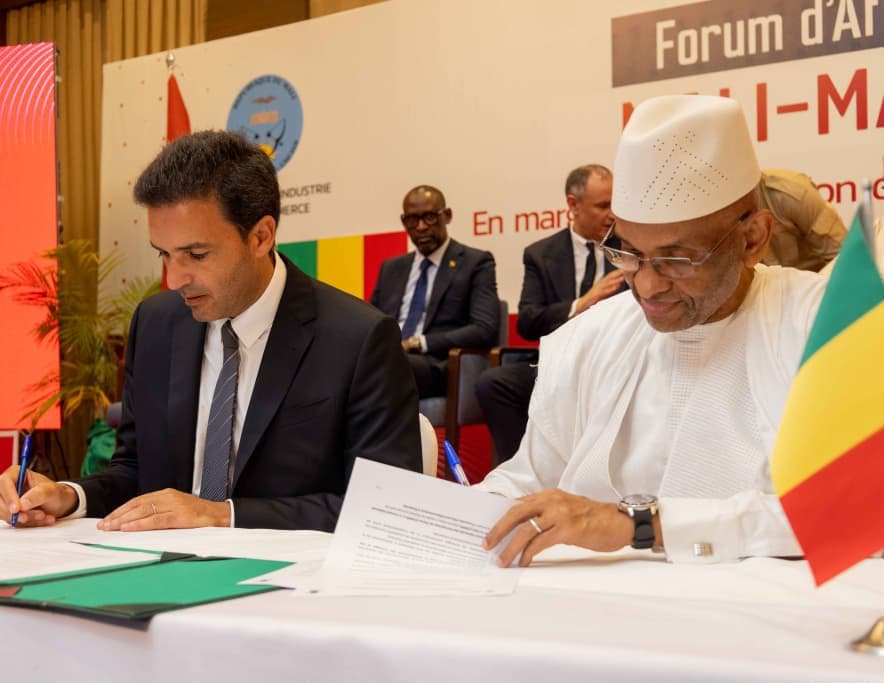
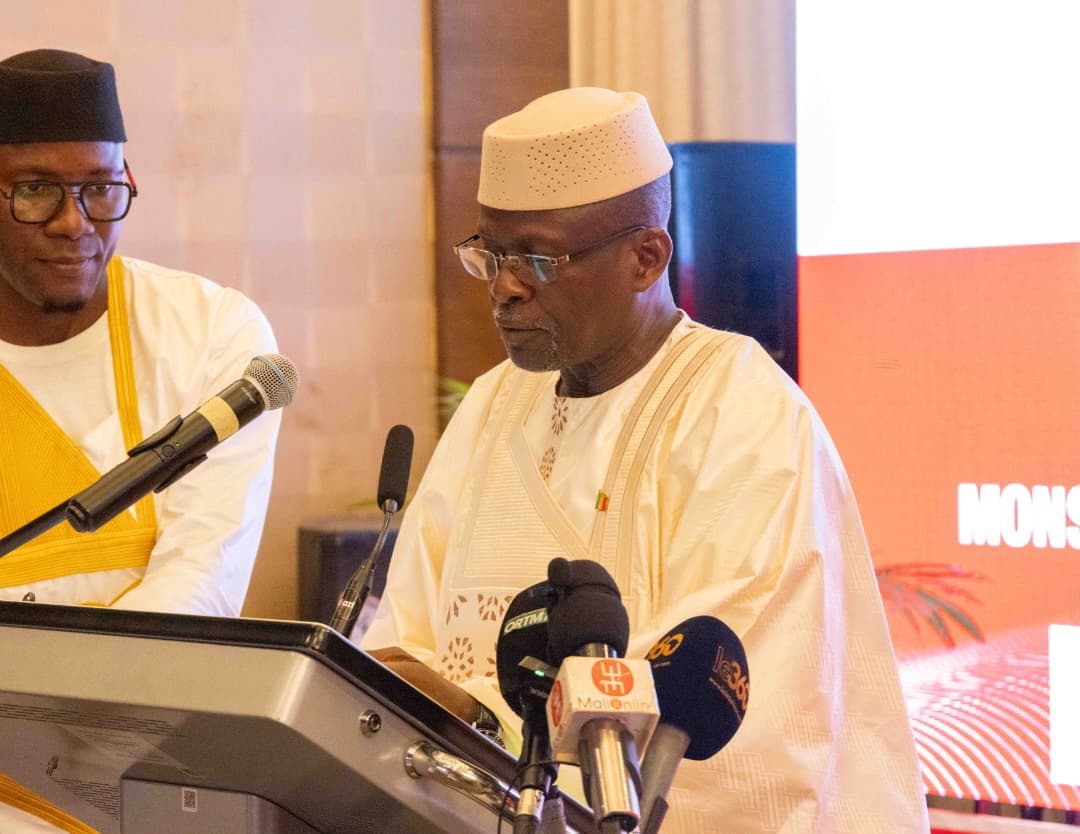
The images shown are from earlier institutional convenings and are identified as such.
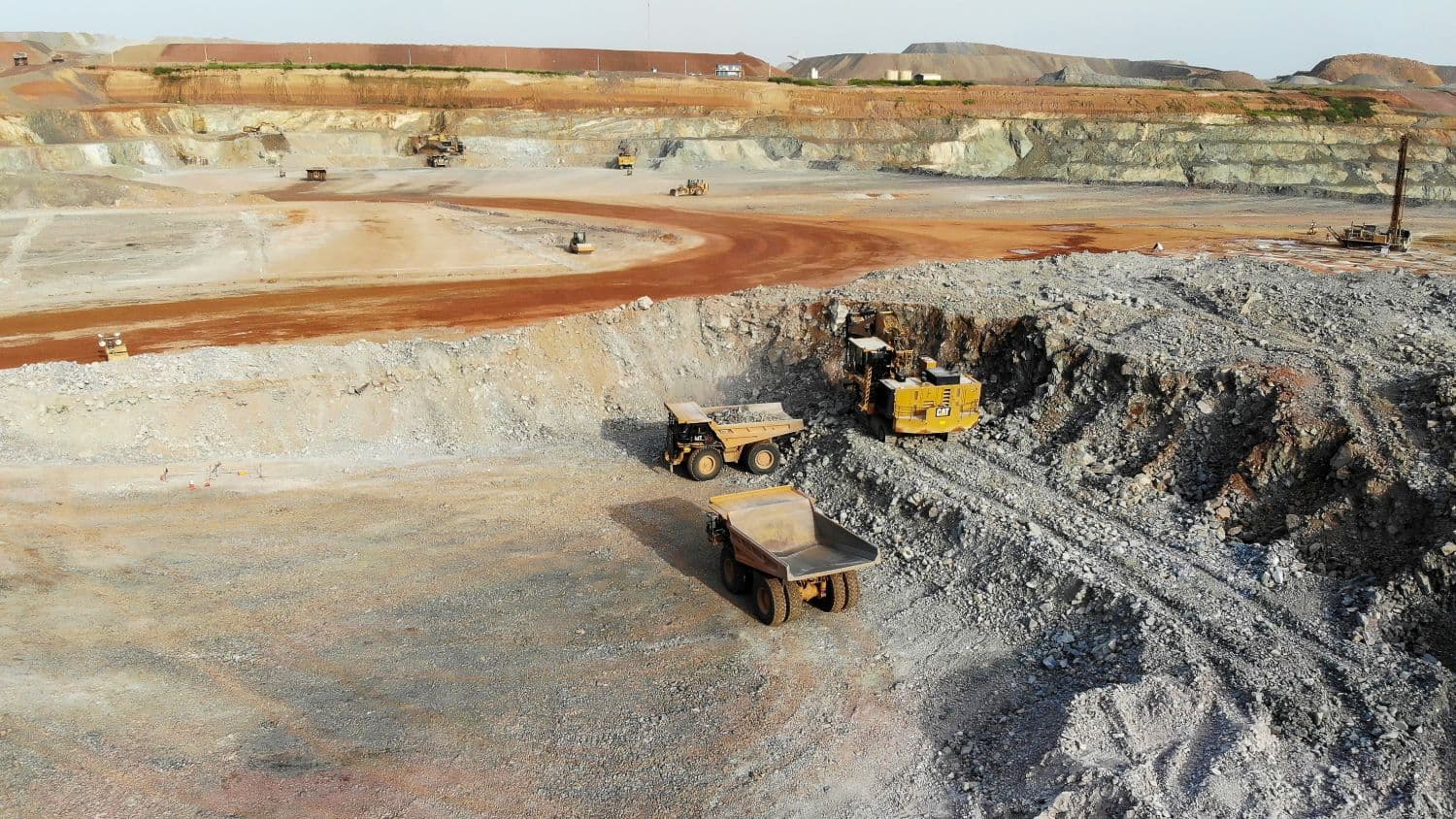
Africa’s third-largest gold producer, at close to 50 tonnes a year. Lithium at Bougouni, oil in the Taoudeni basin, phosphates, iron ore, manganese and bauxite.
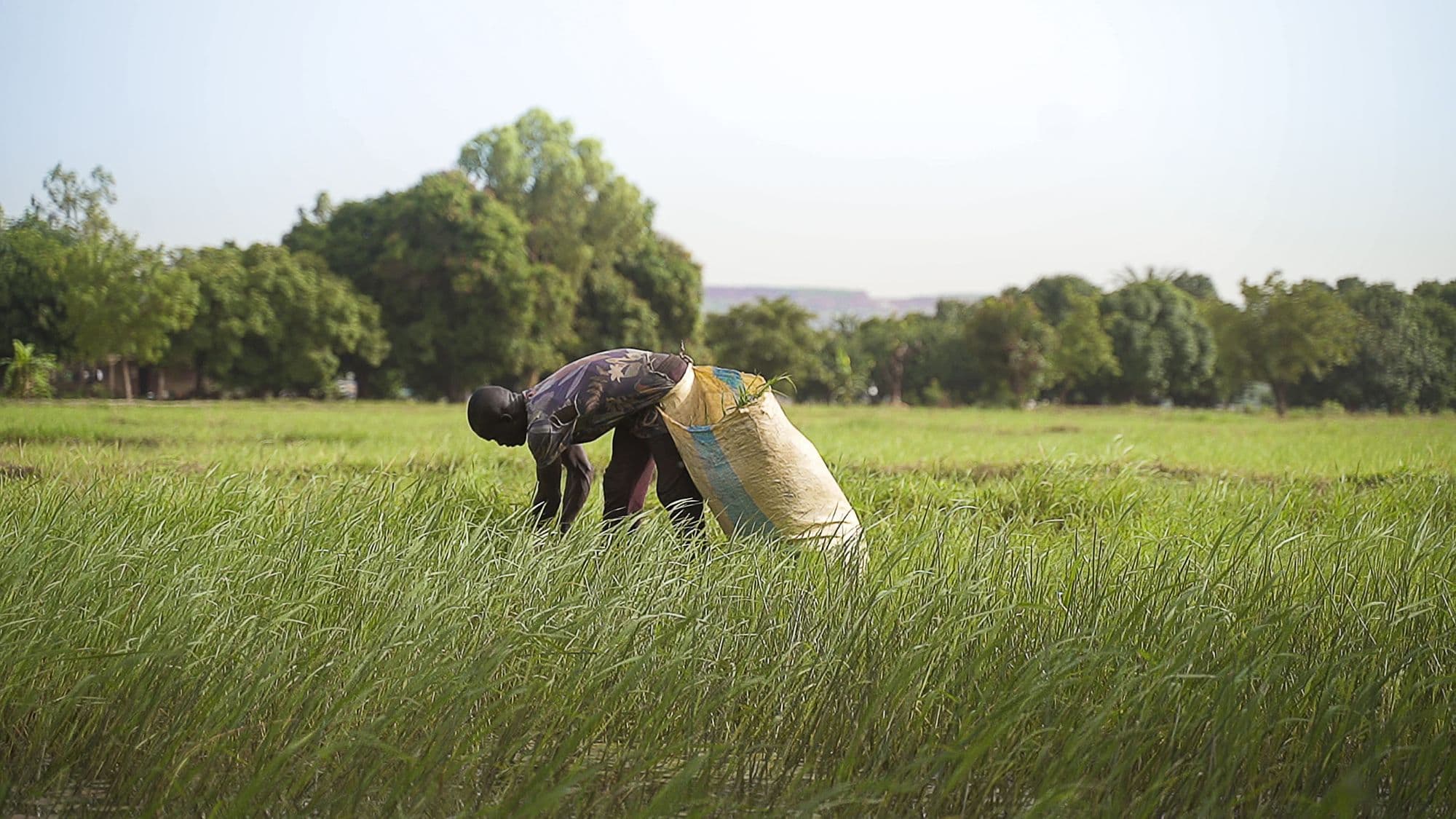
43 million hectares of arable land, less than 20% of it farmed. Africa’s fourth-largest cotton producer, with mango, shea, sesame and rice value chains, and West Africa’s second-largest livestock herd.
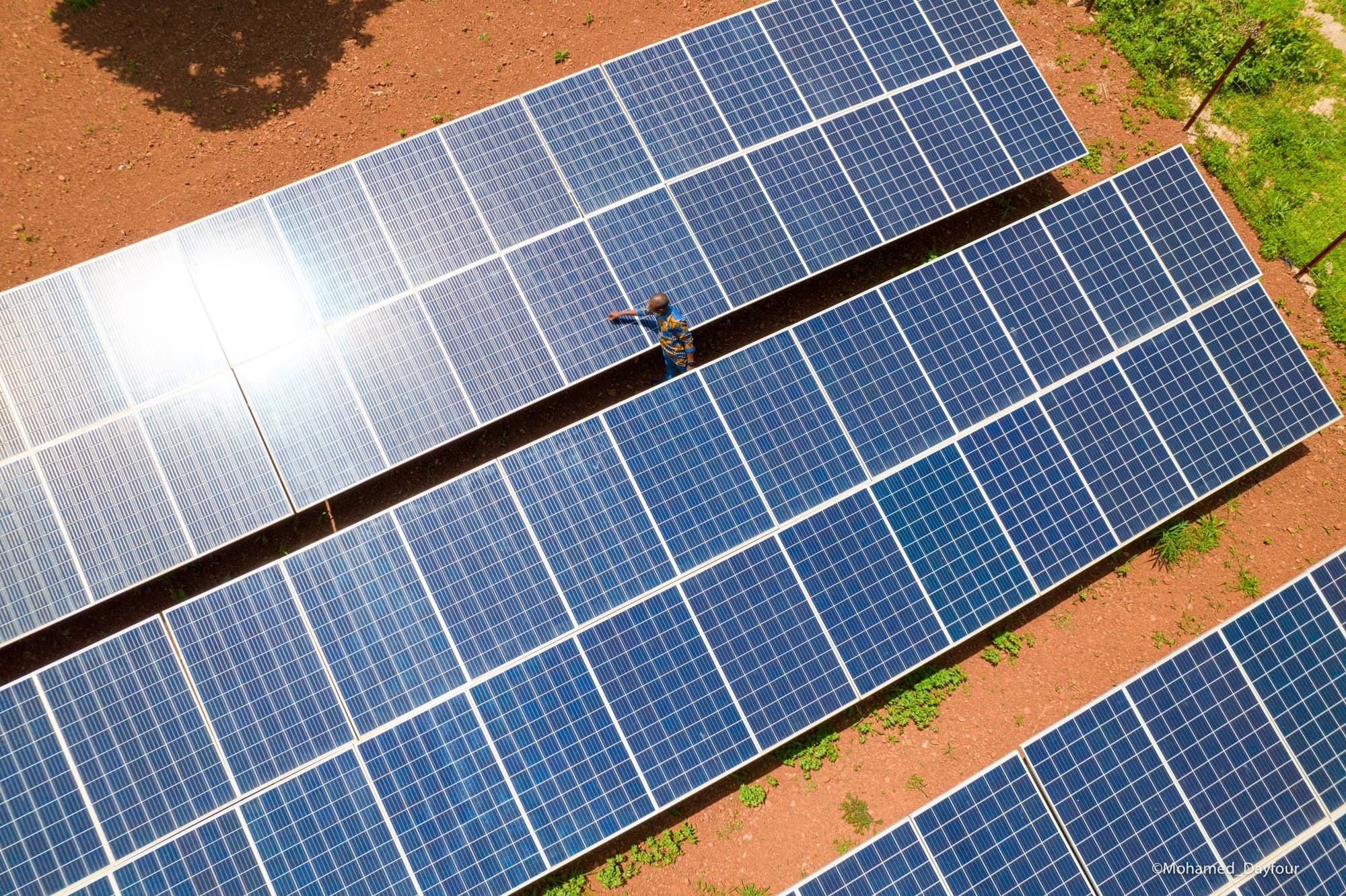
300 days of sunshine a year and more than 1,000 MW of solar capacity to develop. Manantali and its 200 MW of hydropower, and structured public-private partnerships.
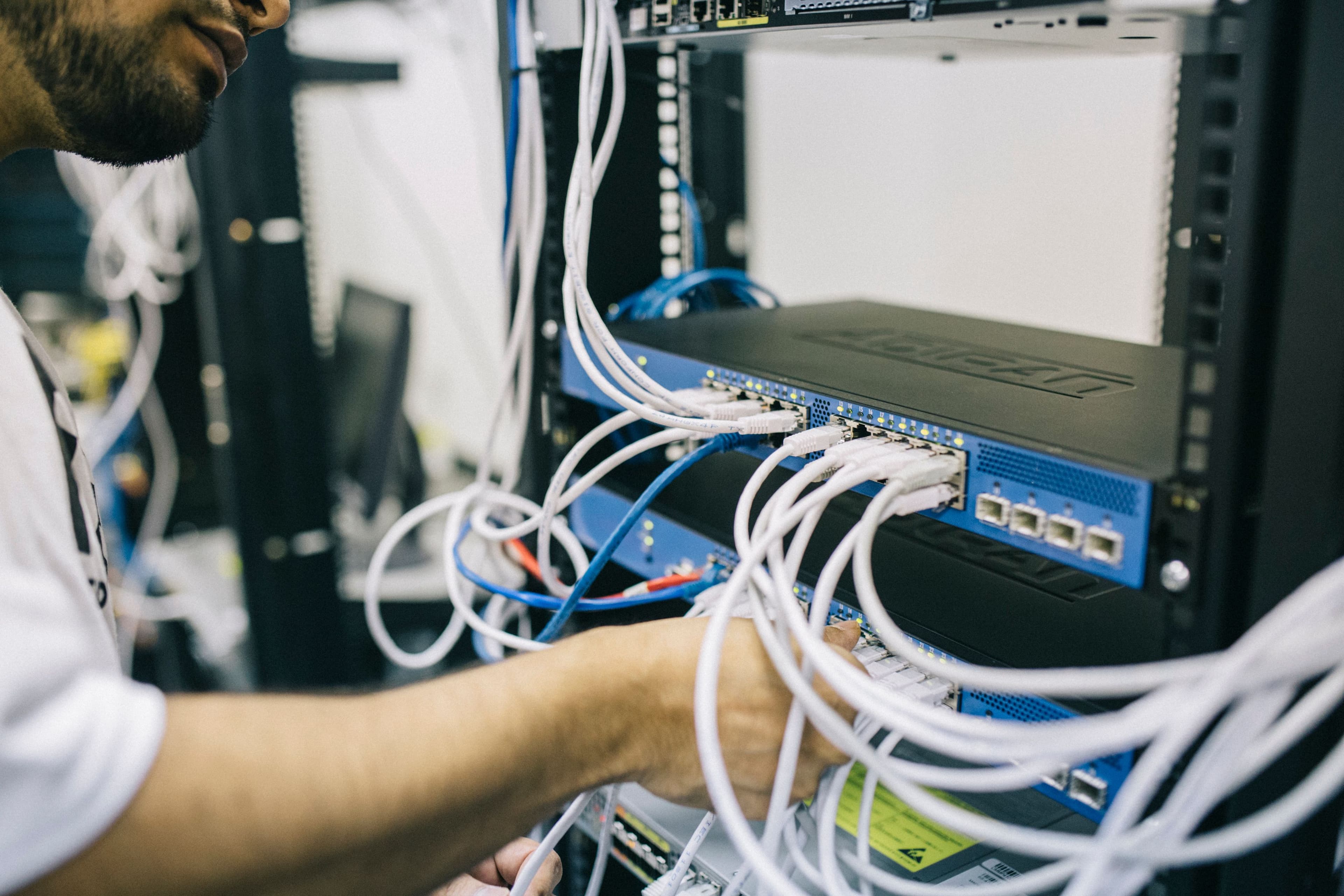
Mobile penetration of 60%. Fintech, e-commerce, agritech and healthtech are expanding fast, with the sector growing by 13.2% in 2026.
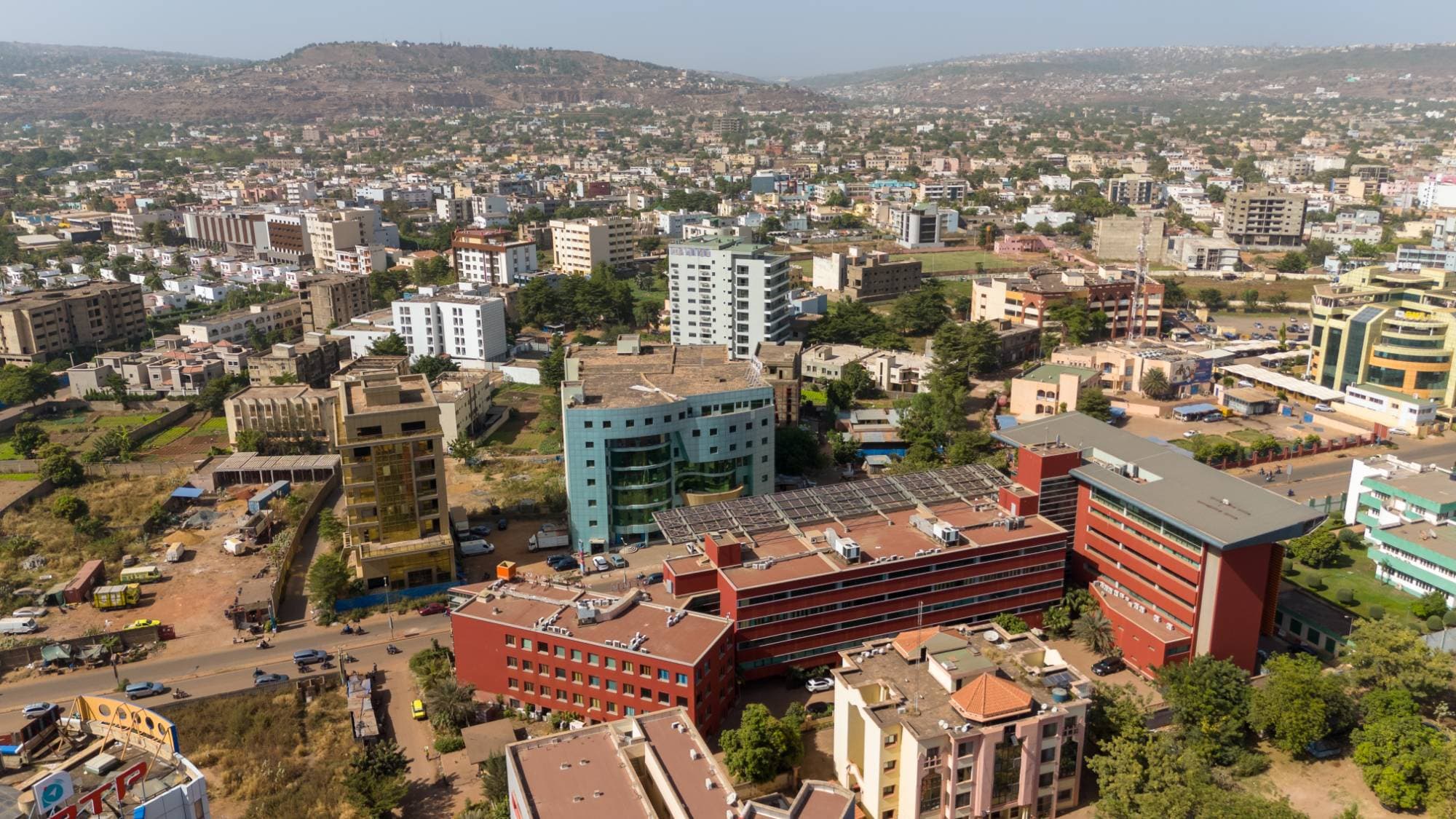
The most dynamic sector of the economy: up 7.8% in 2026 after 18.9% in 2025. Roads, river ports, logistics and industrial zones.

Three UNESCO World Heritage sites: Djenné, Timbuktu and the Dogon Country. The Niger river, the Sahara desert and Malian craftsmanship recognised the world over.
One of the most investor-friendly business environments in the sub-region: a revised investment code, four incentive tax regimes, special economic zones, 100% foreign ownership, transfer guarantees and dedicated support from API-Mali.
After the meeting, both parties record the investment intent and the agreed next step.